
Rice Crop Care Tips for Better Growth and Yield
Rice is one of the most important crops for farmers. Good rice production depends on proper nursery management, timely transplanting, balanced fertilizer use, weed control, pest management and disease prevention.
A strong rice crop does not happen by chance. It requires timely decisions from nursery to grain filling. Farmers who manage each stage carefully can achieve better plant stand, strong tillering, healthy leaves and improved yield.
Start with Healthy Nursery
A healthy nursery is the foundation of a successful rice crop. Weak seedlings can create problems after transplanting. Farmers should prepare the nursery in fertile soil, use clean water and avoid overcrowding.
Seedlings should be healthy, green and strong before transplanting. Weak, yellow or diseased seedlings should not be used because they may reduce field establishment.
Transplant at the Right Time
Timely transplanting helps rice plants establish quickly. Delayed transplanting can reduce tillering and affect final yield. Seedlings should be transplanted carefully to avoid root damage.
Proper plant spacing is also important. Very dense planting can reduce air movement and increase disease risk. Very wide spacing may reduce plant population. Balanced spacing helps the crop grow properly.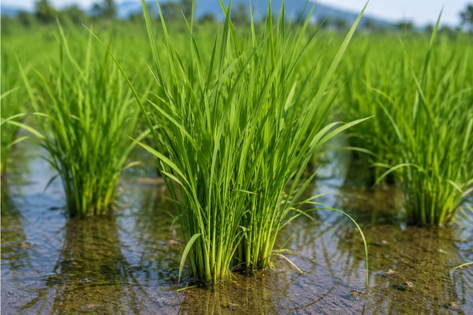
Manage Water Carefully
Rice needs proper water management, but standing water at the wrong time or excessive water can create stress. Farmers should keep the field moist according to crop stage and soil condition.
Water management is also important during herbicide application. Some rice herbicides require specific moisture or water conditions for better performance. Always follow product label instructions before application.
Control Weeds Early
Weeds are one of the biggest problems in rice fields. They compete with rice plants for nutrients, sunlight and space. If weeds are not controlled early, they can reduce tillering and weaken crop growth.
Farmers should identify weed type before selecting herbicide. Broadleaf weeds, grasses and sedges may require different solutions. Apply herbicide at the recommended crop stage and do not overdose.
Use Balanced Fertilizer
Rice needs balanced nutrition for healthy growth. Nitrogen supports leaf growth and tillering. Phosphorus helps root development. Potassium supports plant strength and grain quality.
Micronutrients such as zinc and boron may also be important in many rice fields. Zinc deficiency can reduce crop vigor and cause poor growth. Boron supports reproductive growth and grain setting.
Fertilizer should be used according to soil condition, crop stage and expert recommendation. Avoid applying all fertilizer at once unless recommended. Split application often helps improve nutrient availability.
Watch for Insect Pests
Rice may face insect problems such as stem borer, leaf folder, plant hoppers and other pests. Farmers should inspect the field regularly and check leaves, stems and lower plant parts.
Do not spray without confirming pest pressure. Choose insecticide according to pest type and crop stage. Repeated use of the same product should be avoided to maintain effectiveness.
Prevent Rice Diseases
Rice diseases can spread quickly in humid weather, dense crop stands and poorly managed fields. Common symptoms may include leaf spots, blight, sheath problems, discoloration or drying patches.
Early detection is important. Fungicide should be selected according to disease type and applied at the correct stage. Good field hygiene, balanced fertilizer and proper spacing can also reduce disease pressure.
Improve Spray Results
For better spray performance, use clean water, correct nozzle, proper water volume and recommended dose. Spraying should be done in suitable weather. Avoid spraying during strong wind, high heat or rain risk.
Adjuvants may help improve spray coverage in some conditions, especially when leaves are waxy or when better spreading is needed. Always follow mixing instructions.
Buy Genuine Rice Crop Inputs
Rice farmers should buy herbicides, insecticides, fungicides, fertilizers and micronutrients from trusted sources. Fake or low-quality products can reduce crop results and waste money.
ACE Agri Plex provides quality agricultural products for rice crop care, including crop protection products, fertilizers, micronutrients and technical guidance for farmers.
Final Words
Better rice yield depends on proper crop care from the beginning. Healthy nursery, timely transplanting, weed control, balanced nutrition, pest monitoring and disease prevention are all important.
For reliable rice crop inputs and practical farming support, visit ACE Agri Plex and choose genuine products for better growth, better quality and better yield.