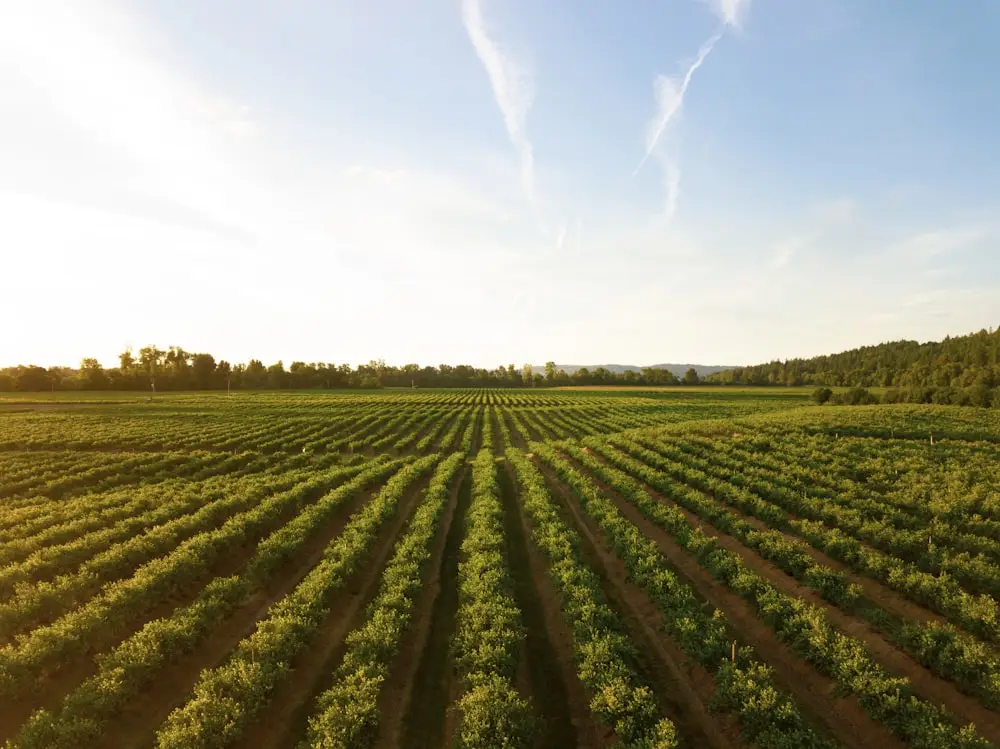
Grow Healthier Crops with Smarter Farming
Successful farming begins with proper planning, balanced crop nutrition, and timely field management. By following proven agricultural practices, farmers can improve crop quality, increase yields, reduce production costs, and maintain long-term soil health.
ACE Agri Plex is committed to helping farmers adopt modern, sustainable, and efficient farming techniques for better productivity.
🌾 1. Start with Healthy Soil
Healthy soil is the foundation of a successful crop.
Best Practices
- Conduct a soil test before planting.
- Maintain proper soil pH for nutrient availability.
- Improve soil structure by adding organic matter.
- Avoid excessive tillage that can damage soil health.
- Ensure proper drainage to prevent waterlogging.
Tip: Healthy soil promotes stronger root development and better nutrient uptake.
🌱 2. Choose Quality Seed
High-quality seed plays a major role in crop performance.
Best Practices
- Purchase certified seed from trusted suppliers.
- Select varieties suitable for your local climate.
- Use disease-free planting material.
- Follow the recommended seed rate.
Tip: Good seed can improve germination, crop uniformity, and yield potential.
💧 3. Irrigate Wisely
Efficient water management helps maximize crop growth while conserving water.
Best Practices
- Irrigate according to crop growth stages.
- Avoid over-irrigation and prolonged waterlogging.
- Water early in the morning or late in the evening when possible.
- Regularly inspect irrigation systems for leaks or blockages.
Tip: Proper irrigation improves fertilizer efficiency and reduces plant stress.
🧪 4. Apply Balanced Fertilizers
Plants require both macro and micronutrients for healthy growth.
Essential Macronutrients
- Nitrogen (N)
- Phosphorus (P₂O₅)
- Potassium (K₂O)
Important Micronutrients
- Zinc (Zn)
- Boron (B)
- Iron (Fe)
- Manganese (Mn)
- Magnesium (Mg)
- Copper (Cu)
Best Practices
- Base fertilizer applications on soil test results whenever possible.
- Apply fertilizers at the recommended crop growth stages.
- Split nitrogen applications to improve nutrient use efficiency.
- Follow the recommended dosage to avoid deficiencies or excesses.
Tip: Balanced nutrition supports stronger roots, better flowering, improved fruit development, and higher yields.
🌿 5. Monitor Crop Health Regularly
Frequent field inspections help identify problems before they become severe.
Look for:
- Yellowing leaves
- Stunted growth
- Leaf spots
- Wilting plants
- Insect damage
- Poor flowering
- Uneven crop growth
Tip: Early detection reduces crop losses and treatment costs.
🐛 6. Manage Pests and Diseases
Integrated Pest Management (IPM) is the most effective long-term strategy.
Best Practices
- Scout fields weekly.
- Use resistant crop varieties where available.
- Keep fields free of weeds and crop debris.
- Rotate crops to reduce pest and disease pressure.
- Apply pesticides only when necessary and according to label directions.
Tip: Prevention is often more effective and economical than treatment.
🚜 7. Follow a Spray Schedule
A planned spray program ensures timely crop protection and nutrient application.
Include:
- Foliar fertilizers
- Micronutrient sprays
- Fungicides
- Insecticides
- Growth enhancers (when appropriate)
Tip: Spray during calm weather, preferably early morning or late afternoon, to improve coverage and reduce evaporation.
🌱 8. Improve Soil with Organic Matter
Organic matter enhances soil fertility and water-holding capacity.
Sources
- Farmyard manure (FYM)
- Compost
- Green manure
- Crop residues
- Organic amendments
Benefits
- Better soil structure
- Increased microbial activity
- Improved nutrient availability
- Enhanced moisture retention
🌾 9. Practice Crop Rotation
Avoid planting the same crop continuously on the same land.
Benefits
- Reduces pest and disease cycles
- Improves soil fertility
- Helps manage weeds
- Promotes balanced nutrient use
📅 10. Harvest at the Right Time
Harvesting at the proper maturity stage ensures maximum yield and quality.
Best Practices
- Monitor crop maturity regularly.
- Harvest during dry weather whenever possible.
- Handle produce carefully to minimize damage.
- Store harvested crops in clean, dry, and well-ventilated conditions.
🌍 Sustainable Farming Practices
ACE Agri Plex encourages environmentally responsible agriculture.
Recommended Practices
- Use fertilizers efficiently.
- Reduce unnecessary pesticide applications.
- Conserve irrigation water.
- Protect beneficial insects and pollinators.
- Minimize soil erosion through proper land management.
- Recycle crop residues whenever practical.
Sustainable farming supports long-term productivity while protecting natural resources.
📋 Quick Farming Checklist
Before planting:
✅ Test your soil
✅ Select quality seed
✅ Prepare land properly
During crop growth:
✅ Irrigate on time
✅ Apply balanced fertilizers
✅ Monitor pests and diseases
✅ Follow a spray schedule
Before harvest:
✅ Check crop maturity
✅ Harvest carefully
✅ Store produce properly
🤝 Why Farmers Choose ACE Agri Plex
ACE Agri Plex is dedicated to supporting modern agriculture through quality crop nutrition solutions and practical farming guidance.
Our commitment includes:
- High-quality fertilizers and micronutrients
- Crop-specific nutrition programs
- Agronomic support and recommendations
- Products designed for Pakistani farming conditions
- Solutions that promote healthier crops and improved productivity
📞 Need Farming Advice?
Whether you are growing wheat, rice, cotton, vegetables, orchards, or other crops, our team is here to help.
Contact ACE Agri Plex for personalized guidance on crop nutrition, fertilizer selection, spray schedules, and best management practices to help you achieve healthier crops and higher yields.